
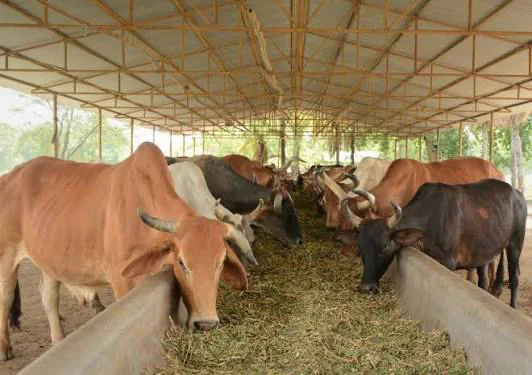
Cow protection
Goshalas
Cattle sheds, feed stores, fodder land, water points and veterinary facilities — so that cows and bulls are protected for their whole natural lives.
Mayapur Development Seva Trust raises and directs funds towards the physical foundations of Sri Dham Mayapur — the goshalas, schools, hospital, devotee residences, river ghats, gardens and roads that let a holy place function as a living community.
Every rupee is tied to a named project, with accounts open to donors.
Sri Dham Mayapur draws pilgrims, students, families and lifelong residents from across the world. Holding that many people takes ordinary, unglamorous infrastructure — classrooms, wards, quarters, cattle sheds, drains, steps down to the Ganga.
Mayapur Development Seva Trust exists to fund and deliver exactly that. We work alongside the temple administration and local village bodies, take on individual projects with a defined scope and budget, and see them through to handover. Our work is construction and maintenance, not preaching — but it is what makes everything else possible.
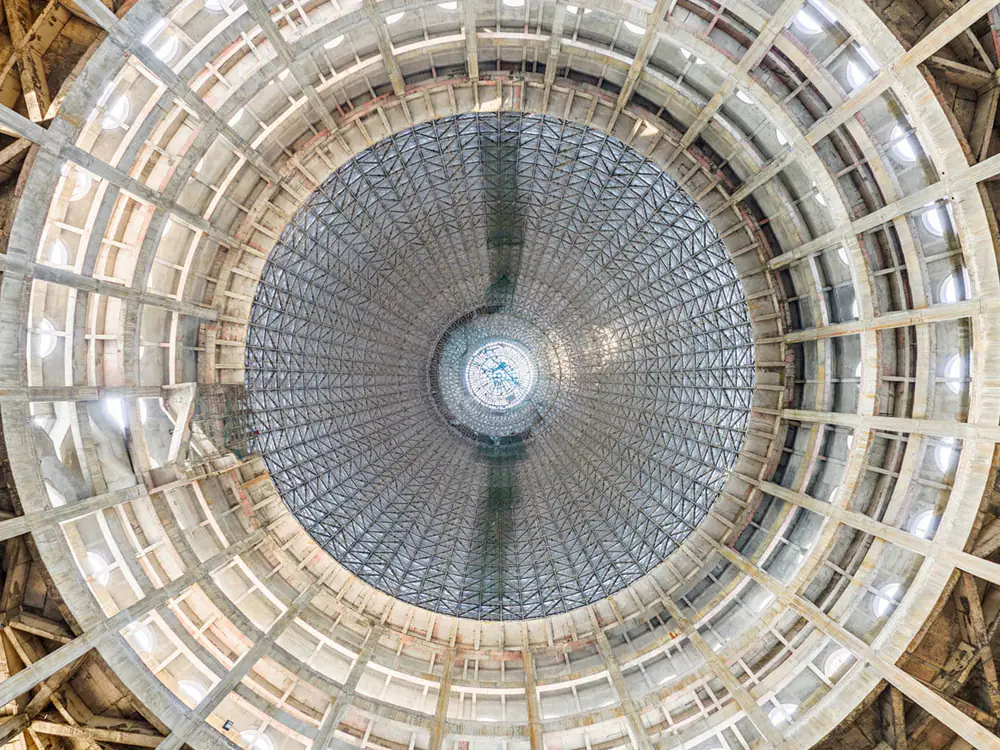
 Seva, not charity
Work offered in the service of the Dham
Seva, not charity
Work offered in the service of the Dham
Each of these is a standing programme. Some run continuously; others are taken up project by project as funds and permissions allow.
Cattle sheds, feed stores, fodder land, water points and veterinary facilities — so that cows and bulls are protected for their whole natural lives.
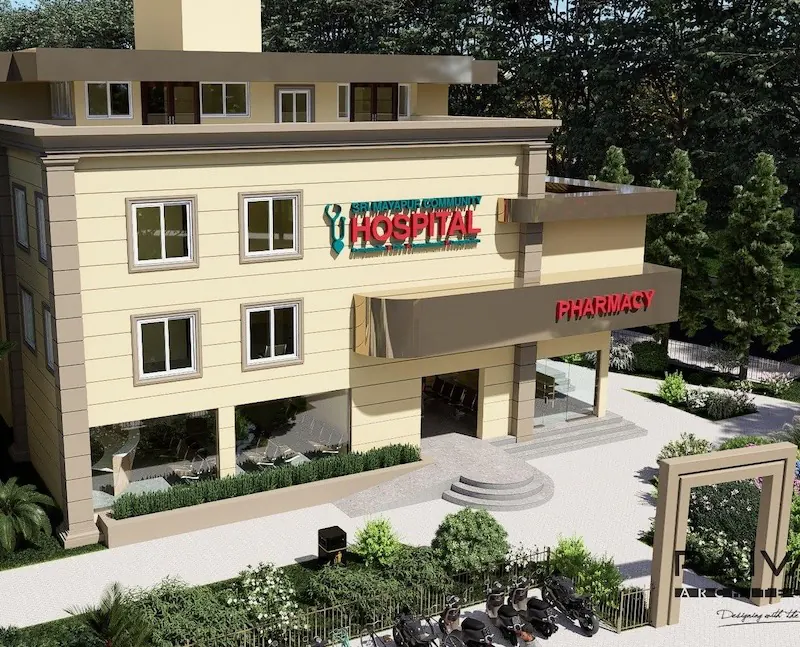
Wards, outpatient blocks, diagnostic rooms and ambulance facilities — open to devotees, pilgrims and the surrounding villages alike.
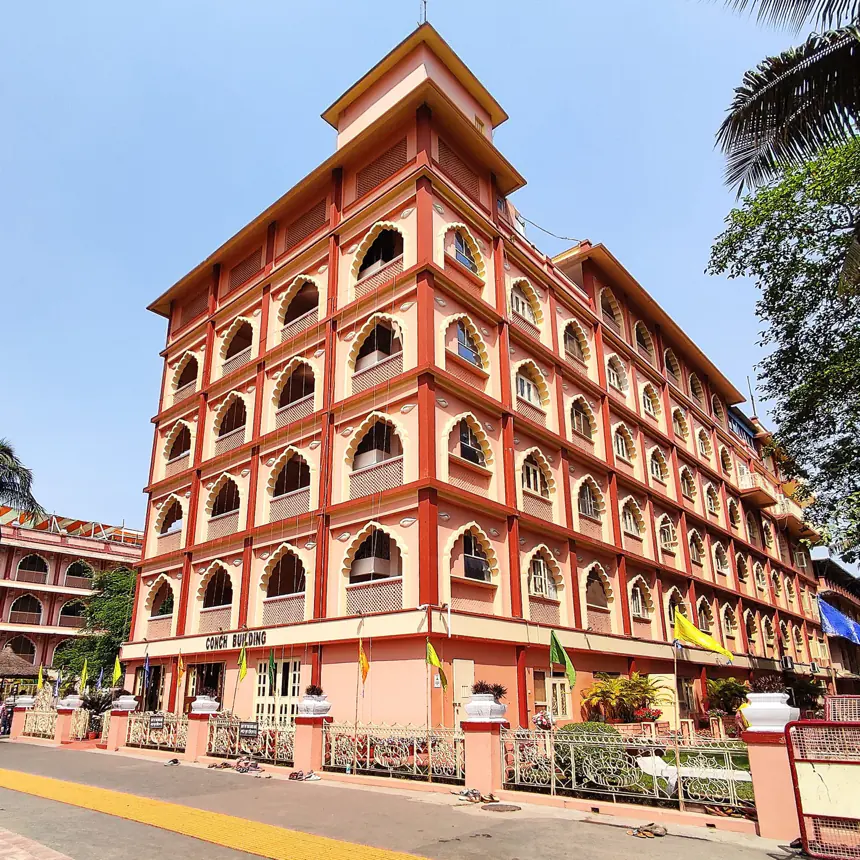
Residential blocks for brahmacharis, families and lifelong residents — with reliable water, sanitation, power and safe access.

Classroom blocks, hostels, libraries, kitchens and playing fields for the gurukul and for village schools serving children around Mayapur.
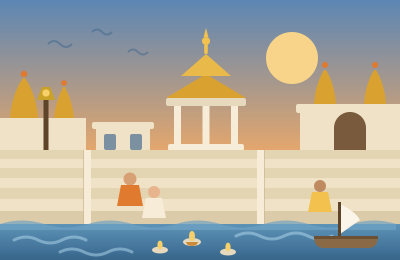
Bathing steps, embankments, railings, lighting and changing facilities along the Ganga and Jalangi — built to survive the monsoon rise.
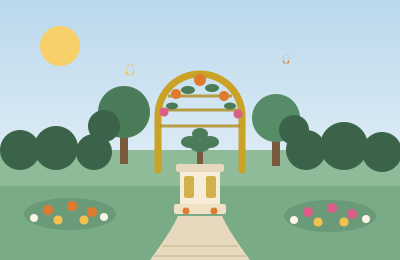
Flower gardens grown for the daily worship of Sri Sri Radha Madhava and Gaura Nitai — with tulsi houses, nurseries, irrigation and pathways.

Approach roads, internal lanes, drainage and street lighting, so pilgrims and residents can move safely through the Dham in every season.
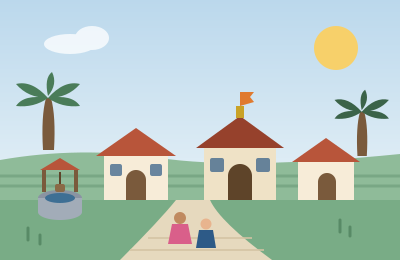
Wells and drinking water, sanitation, community halls and repairs to village homes — development that reaches the families who live here.
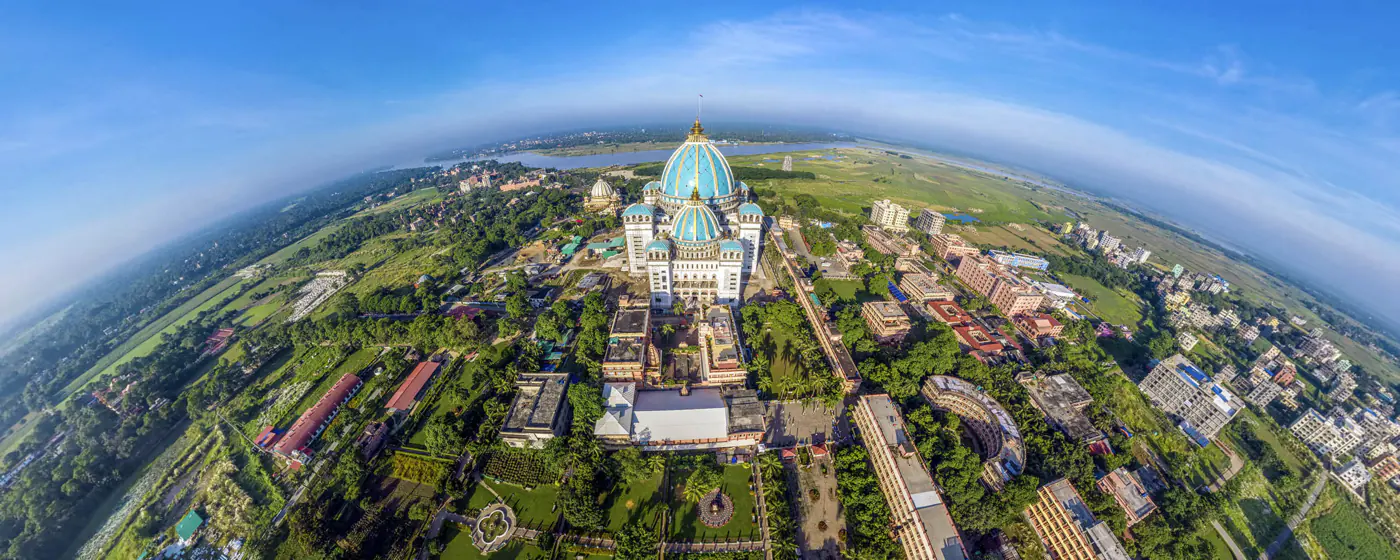
The wider picture — the campus from the air, what has already been built, and what is drawn up and waiting on funds.
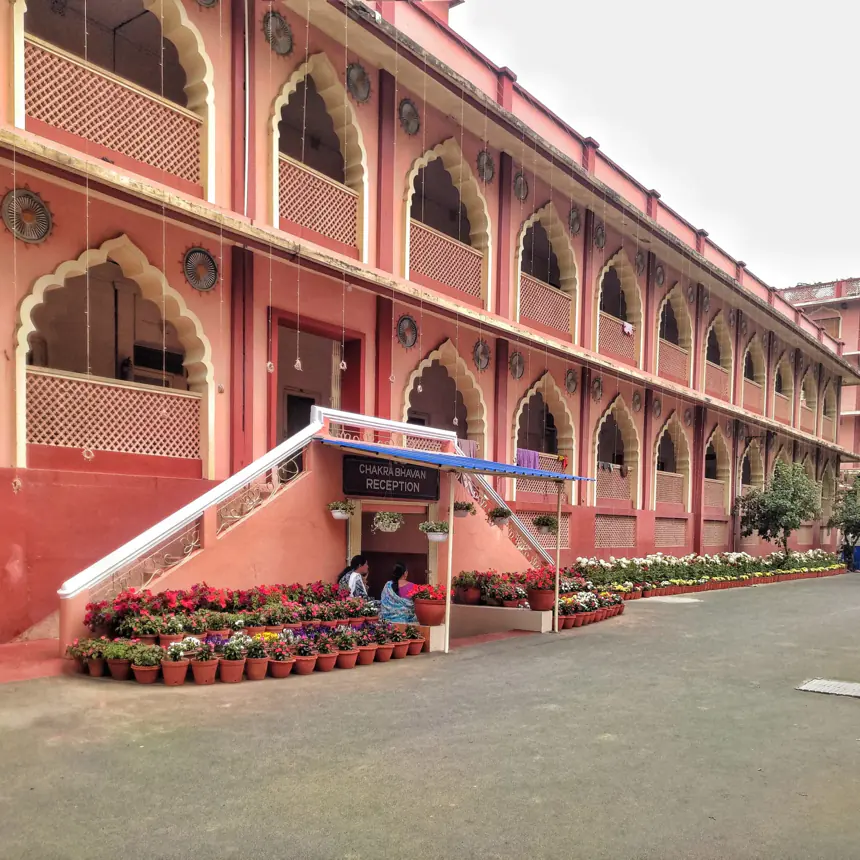
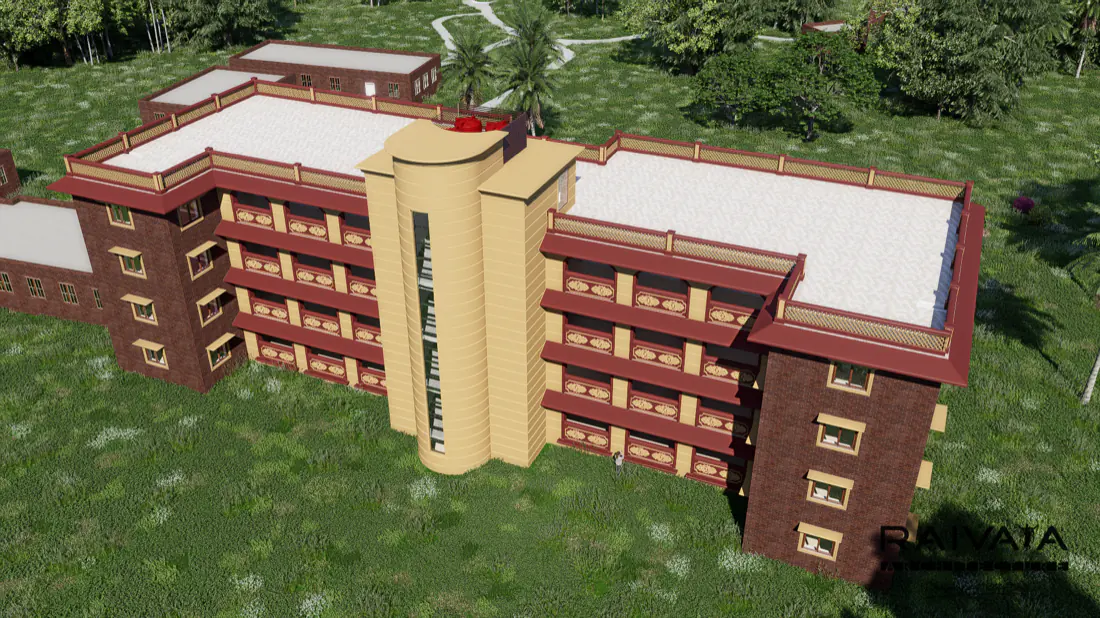
A short list, kept deliberately short. We would rather finish three things properly than announce thirty.
Additional sheds, a fodder store and a covered water point, so that more cows can be sheltered through the monsoon months.
Resetting displaced steps, renewing handrails and adding lighting along the bathing ghat, repeated after each flood season.
Deep tube wells and sanitation blocks for village households near the Dham, surveyed jointly with the local panchayat.
Whether you give once, give monthly, give materials or give your time, it is recorded against a named project and reported back to you.
Fund a whole piece of work — a shed, a classroom, a stretch of ghat — and receive its drawings, costs and photographs as it is built.
A standing contribution, however small, is what lets us commit to long jobs — a goshala does not stop needing fodder in a quiet month.
Cement, steel, timber, bricks, pipes, fodder, medical equipment, books. Material given directly is often worth more than its invoice.
Engineers, architects, surveyors, doctors, teachers and accountants — professional seva offered for a week or a season goes a long way.
Write to us with the kind of seva you have in mind and we will send back the projects it fits, with scope, costings and the way funds are handled.
For seva enquiries, project sponsorship, material donations or anything to do with the Trust's accounts, write to us. We answer every message, usually within a few working days.